Roselands Primary School
History
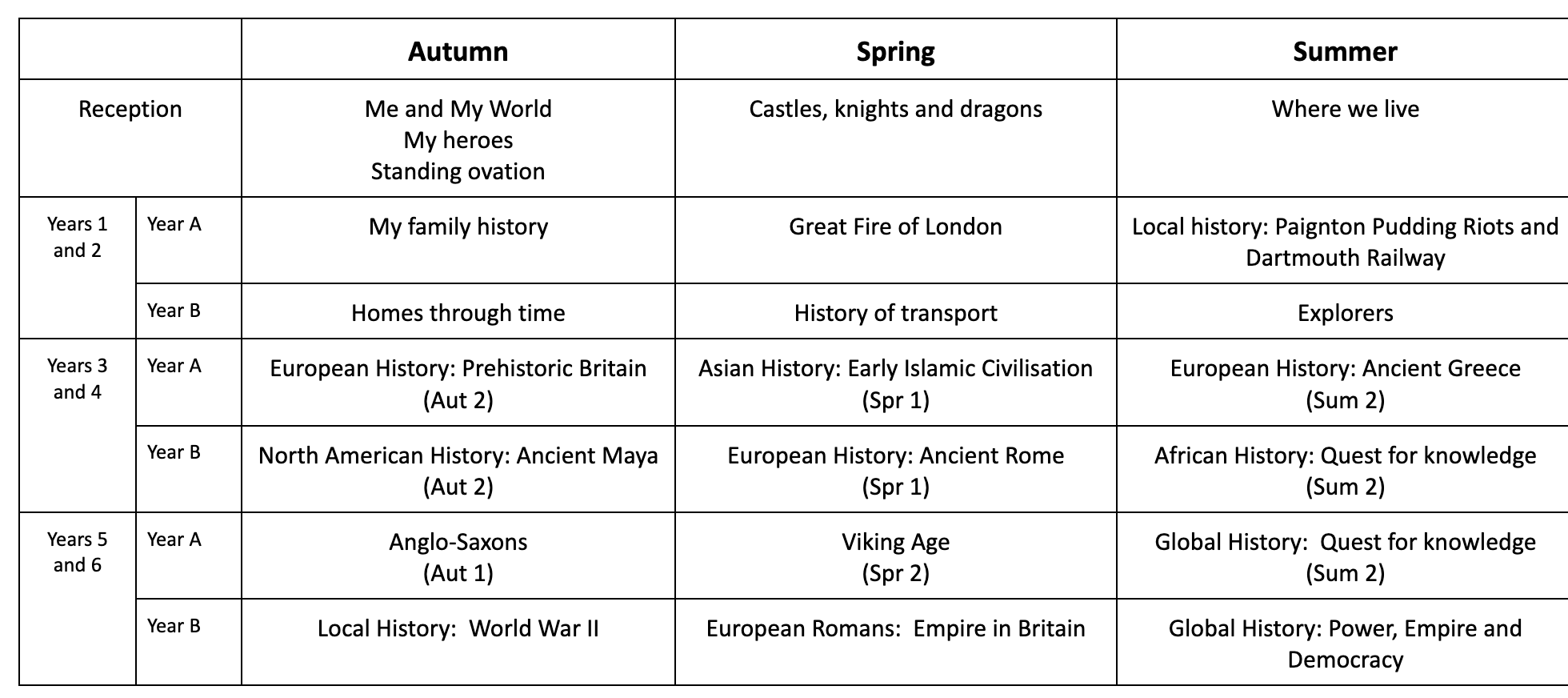
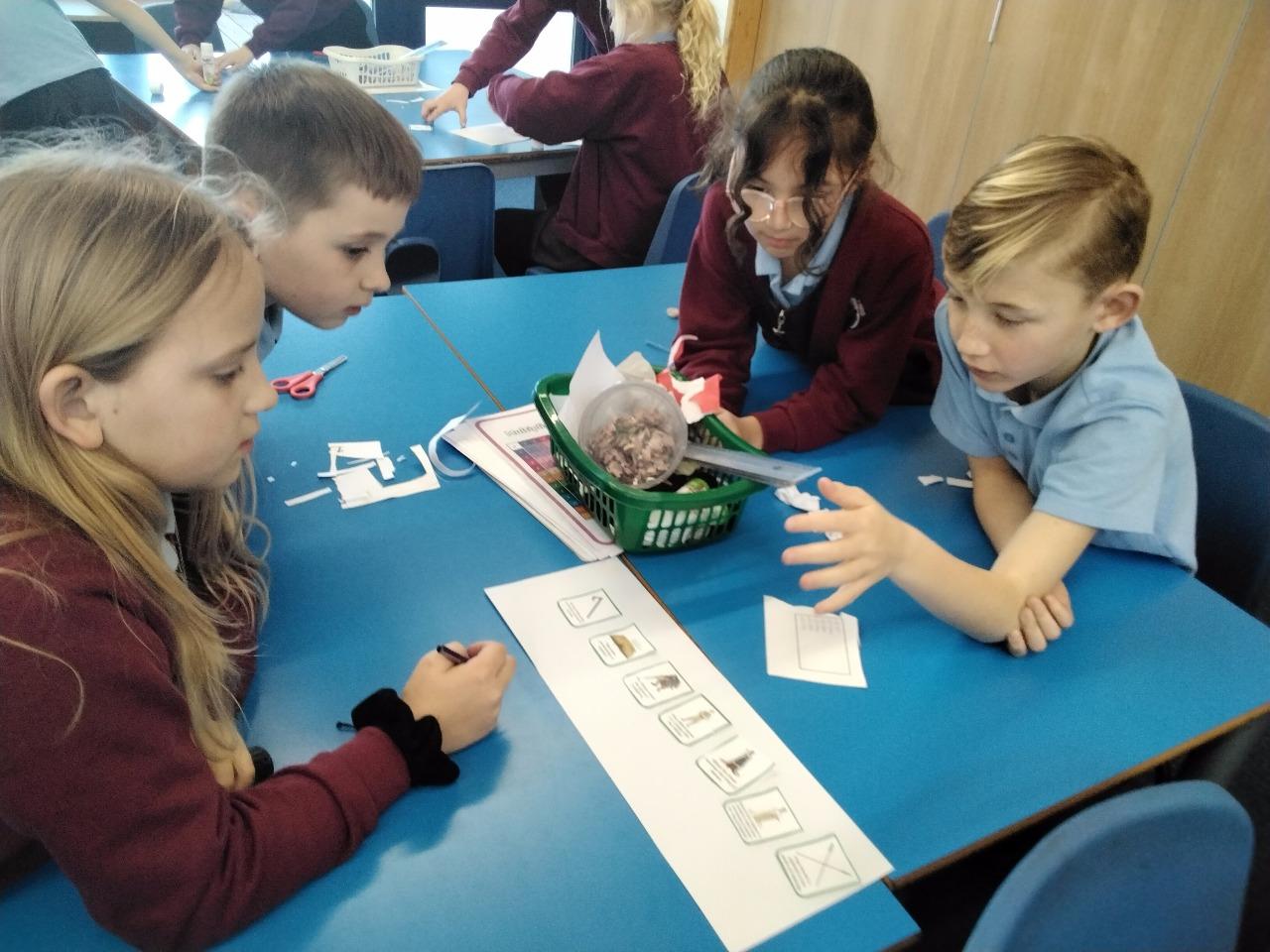
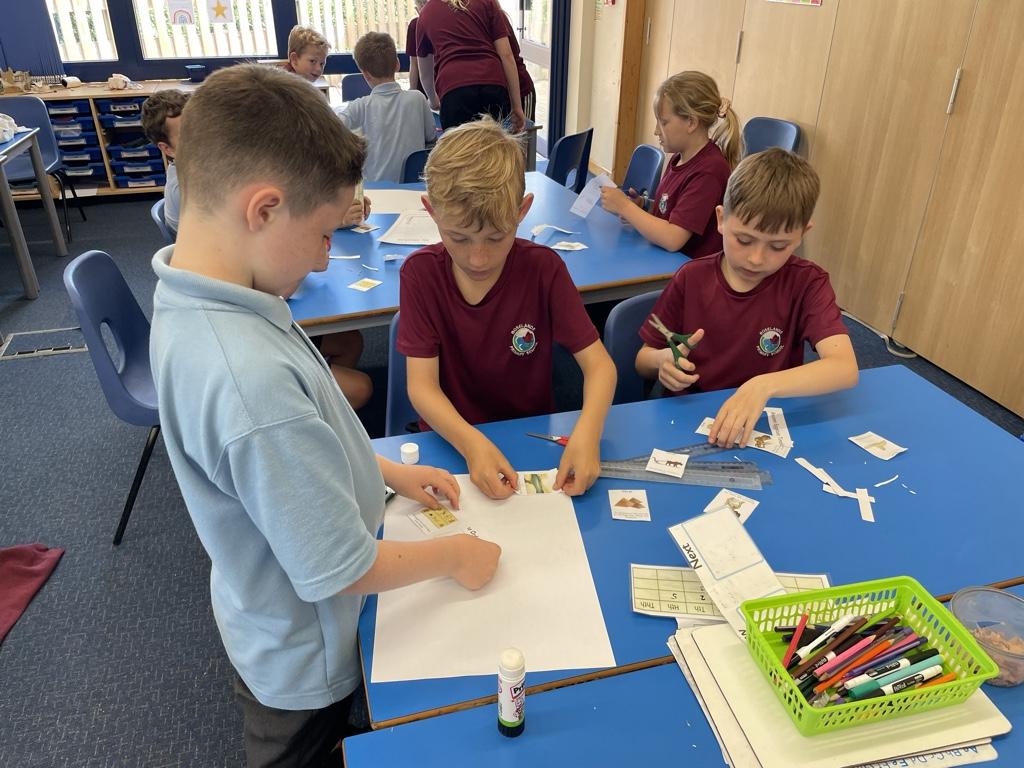
We provide a high-quality history curriculum which is designed to develop pupils’ understanding of history as a coherent, chronological narrative, from the earliest times to the present day: how people’s lives have shaped this nation and how Britain has influenced and has been influenced by the wider world. Our pupils gain coherent knowledge and an understanding of Britain’s past and legacy, and that of the wider world, with opportunities to explore similarities and differences. Alongside this substantive knowledge, pupils also develop strong disciplinary understanding, learning how historians work and how claims about the past are constructed.
Pupils are equipped to ask perceptive questions, think critically, weigh evidence, sift arguments, and develop perspective and judgement based on prior and new substantive knowledge. Through carefully planned enquiry questions, they learn key disciplinary concepts — such as chronological understanding, cause and consequence, change and continuity, similarity and difference, interpretations of the past, and the use of historical evidence — enabling them to develop into reflective, analytical young historians. We provide opportunities for all pupils to see themselves reflected in the curriculum, but also to be taken beyond their own experiences. The history curriculum teaches pupils about civilisations from across the world, and always incorporates the experiences – positive and negative – of ethnic minorities in the history of Britain.
This is achieved through building pupils’ understanding of three vertical concepts. These vertical concepts provide both a concrete lens through which to study and contextualise history, as well as use small steps to help pupils gain a deep understanding of complex, abstract ideas.
The curriculum is designed around these three vertical concepts:
Quest for knowledge
How do people understand the world around them? What is believed; what is known; what scientific and technological developments are made at the time? How is knowledge stored and shared? What shapes people’s views about the world? Through this lens, pupils also consider how evidence is used to form judgements about past beliefs and discoveries.
Power, empire and democracy
Who holds power, and what does this mean for different people in the civilisations?
How is power wielded and legitimised? How are people’s rights different in different historical contexts? This concept supports pupils in exploring cause and consequence, and in understanding differing historical interpretations linked to leadership, authority and societal change.
Community and family
What is life like for different people – men, women and children – in different societies? How are these societies structured? How are family and community roles and relationships different in different historical contexts? Through this lens, pupils develop understanding of similarity and difference, change and continuity, and the significance of ordinary lives throughout history.
Above all, the curriculum fosters an excitement for history, inspiring children to learn more about the past and enabling them to think, question and reason with the disciplinary rigour of a historian.
As a school rooted in the warm, coastal community of Paignton, we also seek to connect children’s learning with their locality. From exploring local heritage and significant seaside history to studying how wider national and global events shaped the Bay, pupils gain a sense of place and identity within their community.