Roselands Primary School

Writing
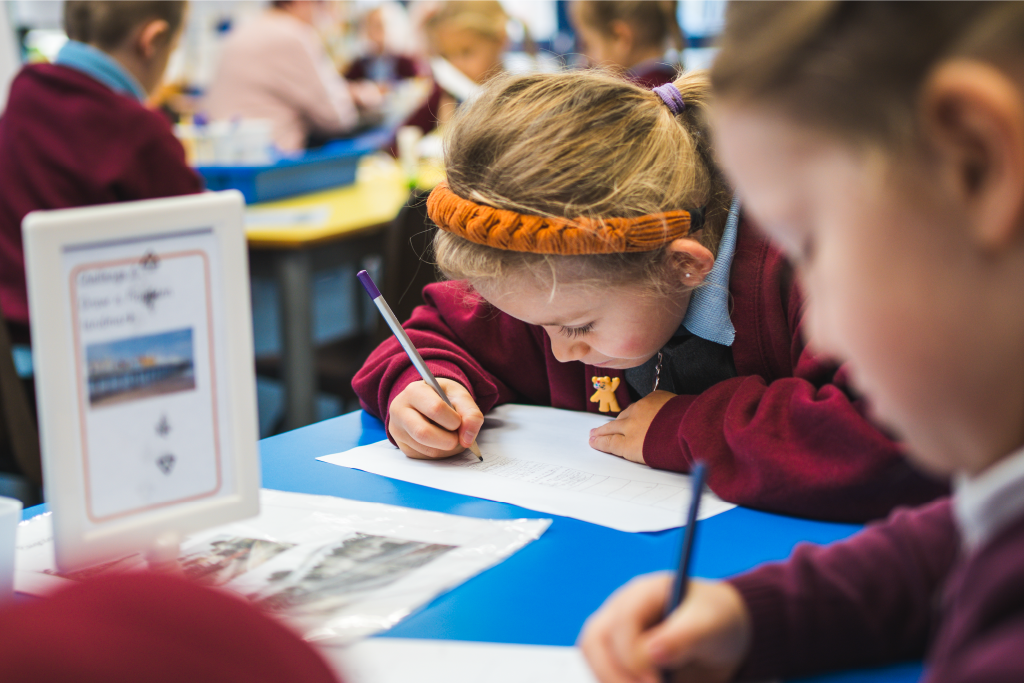
At Roselands we believe that all pupils should be able to confidently communicate their knowledge, ideas and emotions through their writing and develop as imaginative, creative and effective writers.
We want pupils to acquire a wide vocabulary, a solid understanding of grammar and be able to spell new words by effectively applying the spelling patterns and rules they learn throughout their time in primary school. We want them to write clearly, accurately and coherently, adapting their language and style in and for a range of contexts, purposes and audiences, using their exposure to specific texts to influence their writing.
We believe that all pupils should be encouraged to take pride in the presentation of their writing, in part by developing a good, joined, handwriting style by the time they move to secondary school. We believe that all good writers refine and edit their writing over time, so we want children to develop independence in being able to identify their own areas for improvement in all pieces of writing, editing their work effectively during and after the writing process. We do not put ceilings on what pupils can achieve in writing!
The Talk for Writing Approach:

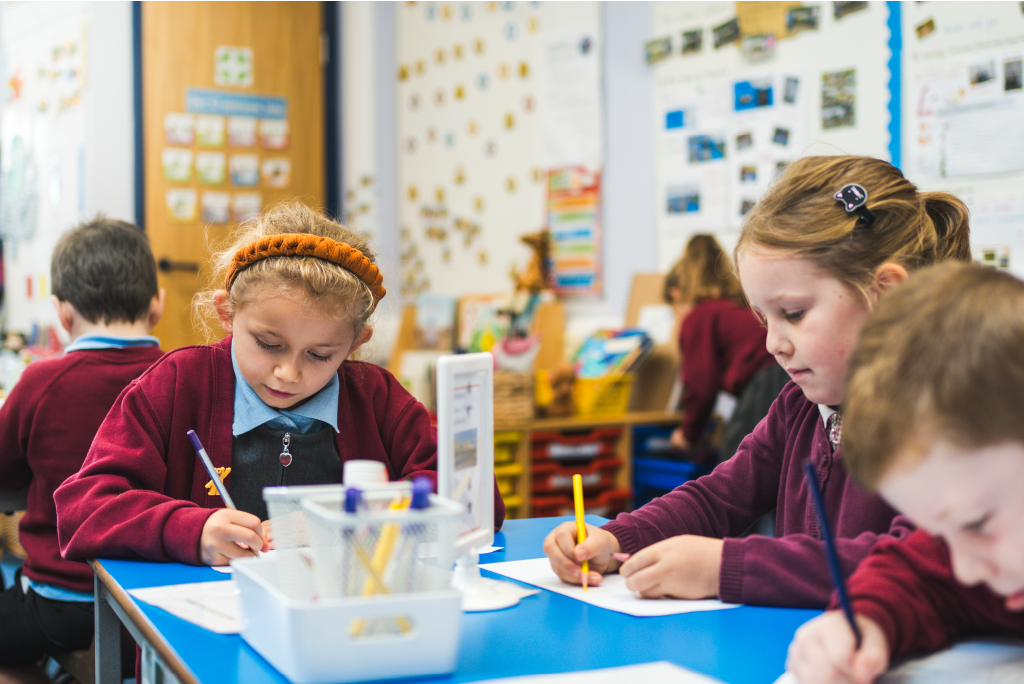
At Roselands, we teach Writing through the Talk for Writing approach, which enables children to read and write independently for a variety of audiences and purposes within different subjects. A key feature is that children internalise the language structures needed to write through ‘talking the text’, as well as close reading. The approach moves from dependence towards independence, with the teacher using shared and guided teaching to develop the ability in children to write creatively and powerfully.
Spelling:
 In their Early Years, the children learn to spell through their Phonics lessons (through the Little Wandle Letters and Sounds Revised Phonics programme). Once they have completed the Phonics programme, they will have dedicated spelling lessons each week when they are taught the statutory spellings for each year group as well as the spelling rules and patterns as set out in the National Curriculum.

The children in Years 1–6 have a login for Spelling Shed. On Spelling Shed, the children can access spelling games at home to consolidate the learning that they have been doing in school. Supporting the children to access these spelling games at home is incredibly beneficial and this forms part of our expectations of home learning.
Handwriting:

At Roselands, we follow Penpals for Handwriting which is a complete handwriting scheme from Year 1 to Year 6. Through regular practice sessions, the children follow a clear progression through five developmental stages:
- Physical preparation for handwriting
- Securing correct letter formation
- Beginning to join between letters
- Securing joins and practising speed and fluency
- Developing a personal style.
In the Early Years, fine and gross motor skill activities are taught within the provision to support children in developing correct posture and pencil grip during their writing sessions. We aim for our children to become fluent in handwriting as early as possible so that they can free up their working memory in order to focus on the compositional aspects of writing.